Indonesia’s healthcare landscape is rapidly evolving. This comes with the shift to competency-based hospital classification under Law No. 17 of 2023 on Health (the “Health Omnibus Law”) and its implementing regulation, Government Regulation No. 28 of 2024 (GR 28/2024). This policy aims to ensure that hospital classification reflects actual service capacity, clinical competence, human resource readiness, and infrastructure quality. The focus is less on task lists. Nowadays, clinical skills hospitals in Indonesia require more demonstrable competencies across clinical care, technology, and teamwork. (Setyorini et al., 2025; Suarmayasa et al., 2024)
Large hospitals in Indonesia, such as RSCM Jakarta, Siloam Hospitals, and RSUI Depok, now classify themselves by actual competencies in clinical services rather than by bed count. This ensures reliable care in specialties such as cardiology, oncology, and emergency response. Healthcare professionals demonstrating these top clinical skills gain priority in hiring and advancement. (Eti, 2025; SurgeryPlanet, 2025).
Hospitals increasingly value healthcare professionals who can perform systematic assessments and detect patient deterioration early.
✅Key skills include: (Fontenot et al., 2022; Suarmayasa et al., 2024)
1. Accurate vital sign interpretation: Ability to read and interpret key physiological parameters correctly
2. Recognition of red flags and warning signs: Identifying early indicators of deterioration across systems (e.g., respiratory, cardiovascular, neurologic)
3. Rapid primary and secondary assessment: Efficient head-to-toe evaluation in acute and routine settings
4. Early escalation using structured communication tools
Early recognition reduces preventable complications and improves patient outcomes — a key quality indicator in modern hospital systems.
Hospitals expect clinicians and nurses to demonstrate strong fundamentals in safe, effective, day‑to‑day patient care.
✅Key skills include: (Santoso, 2024; Suarmayasa et al., 2024; Suprapto et al., 2024)
1. Accurate history‑taking and physical examination, including focused assessments for acute and chronic conditions
2. Basic and advanced life support, emergency response, and triage in emergency department and ward settings
3. Medication safety (dose calculation, high‑alert drugs, double‑checks, reconciliation, and allergy checks)
4. Infection prevention and control: hand hygiene, aseptic technique, device care, isolation, and antimicrobial stewardship
5. Use of clinical pathways and adherence to national guidelines (e.g., SKDI‑based doctor competencies and national nursing standards)
6. Safe documentation and clinical handover to reduce errors and improve continuity of care
Nowadays, there is a need for hospitals to adapt national health information policies and the growth of telemedicine. With these, digital competence is highly expected among clinicians and nurses.
✅Key skills include: (Nugroho et al., 2024; Setyorini et al., 2025)
1. Proficient use of electronic medical records and hospital information systems integrated with SATUSEHAT and iDRG‑based (Indonesian Diagnosis-Related Groups) claims
2. Teleconsultation skills: remote history‑taking, virtual examination techniques, patient education via video, and managing follow‑up
3. Basic data literacy: entering accurate coded data, understanding dashboards, and using data for quality improvement and audits
4. Familiarity with clinical decision support tools (alerts or order sets) within digital systems
✅Example:
A study exploring disparities in teleconsultation readiness in Indonesia by Nugroho et al. (2024) showed that hospitals with trained staff in technology use and telehealth workflows are more prepared and more likely to implement such services.
Given Indonesia’s push to classify hospitals by actual service capability (basic, intermediate, advanced, comprehensive), emergency and critical‑care skills are increasingly highlighted.
✅Key skills include: (Noya et al., 2023; Setyorini et al., 2025; Suarmayasa et al., 2024)
1. Rapid triage, stabilization, and early recognition of clinical deterioration: This includes the use of early warning scores and sepsis screening
2. Airway management, oxygen therapy, basic non‑invasive ventilation techniques, and safe transfer of unstable patients
3. Interpretation of basic investigations: ECG, ABG, common imaging reports, and laboratory results
4. Disaster and mass‑casualty response competencies that are relevant in a disaster‑prone context
5. For junior doctors in referral/remote (RR) settings: competencies in independent decision‑making, coordination with referral centers, and cross‑disciplinary collaboration
✅Example:
Top facilities like Rumah Sakit Universitas Indonesia (RSUI) focus on these for cardiology and oncology emergencies.

1. Basic Life Support (BLS)
2. Basic Trauma and Cardiac Life Support (BTCLS)
3. Airway management
4. Initial emergency stabilization
5. Code response protocols
Clinical staff who are confident in emergency response significantly strengthen hospital preparedness and patient safety culture.
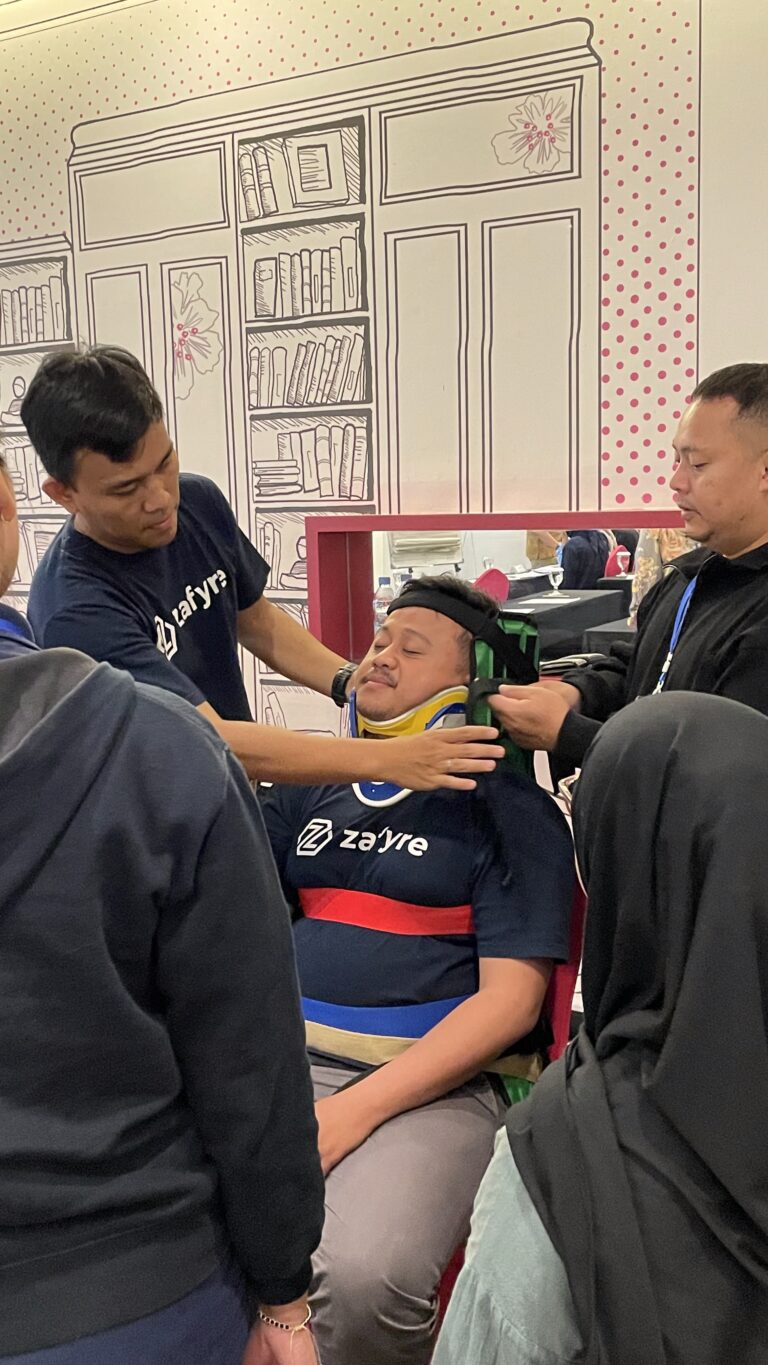
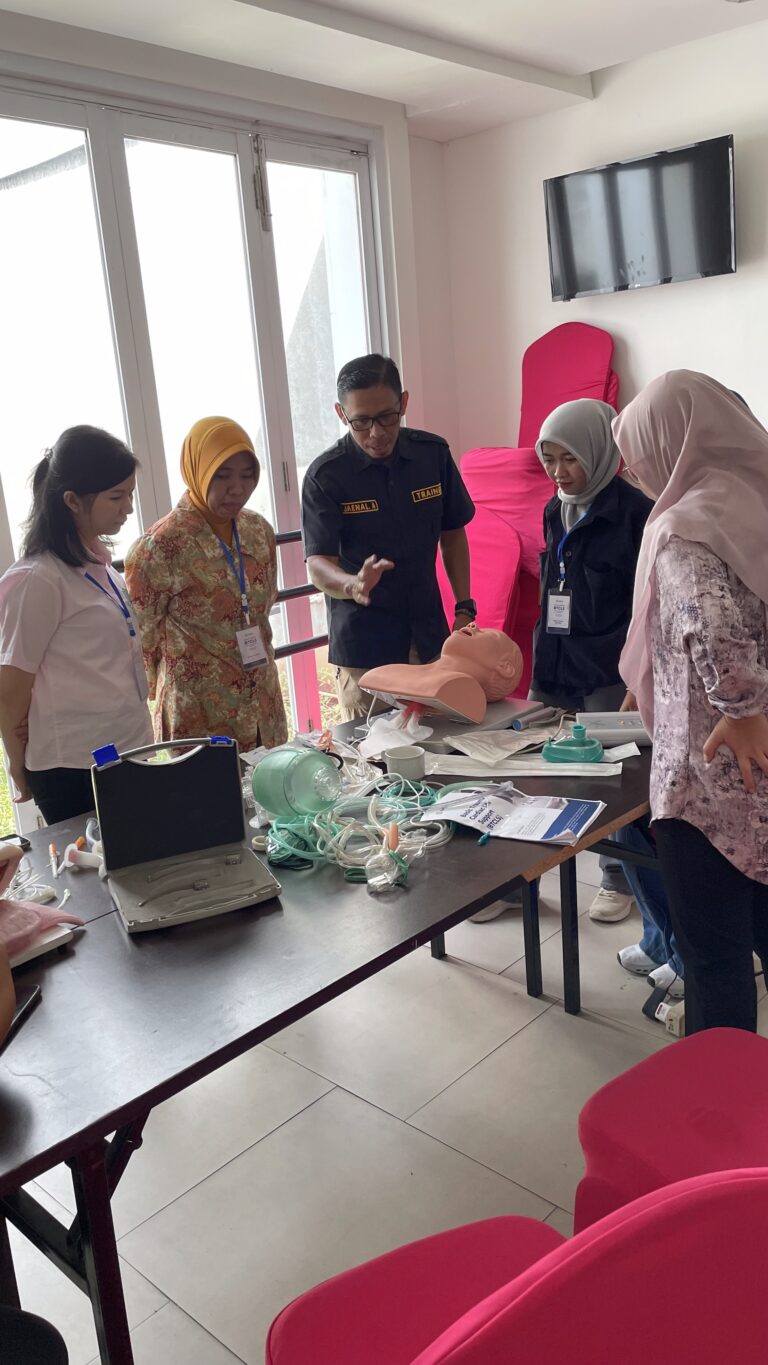
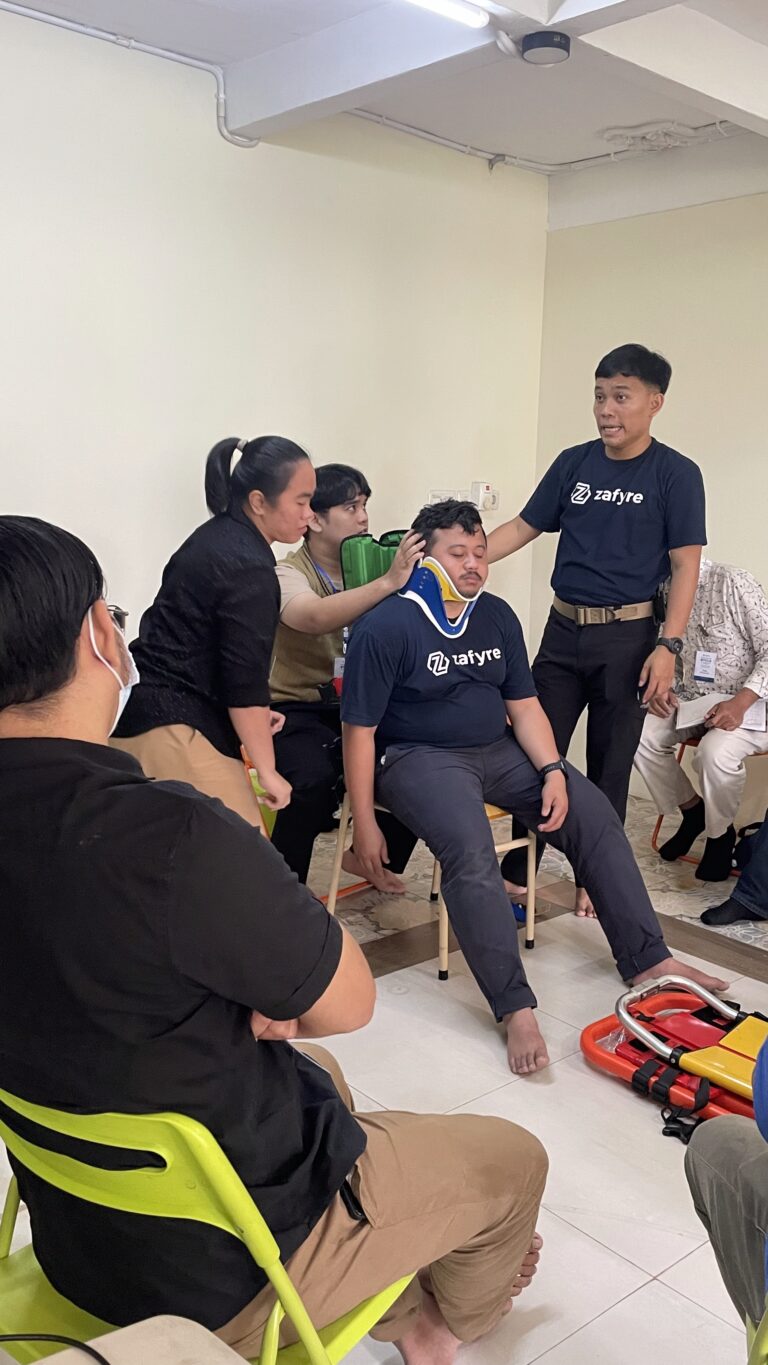
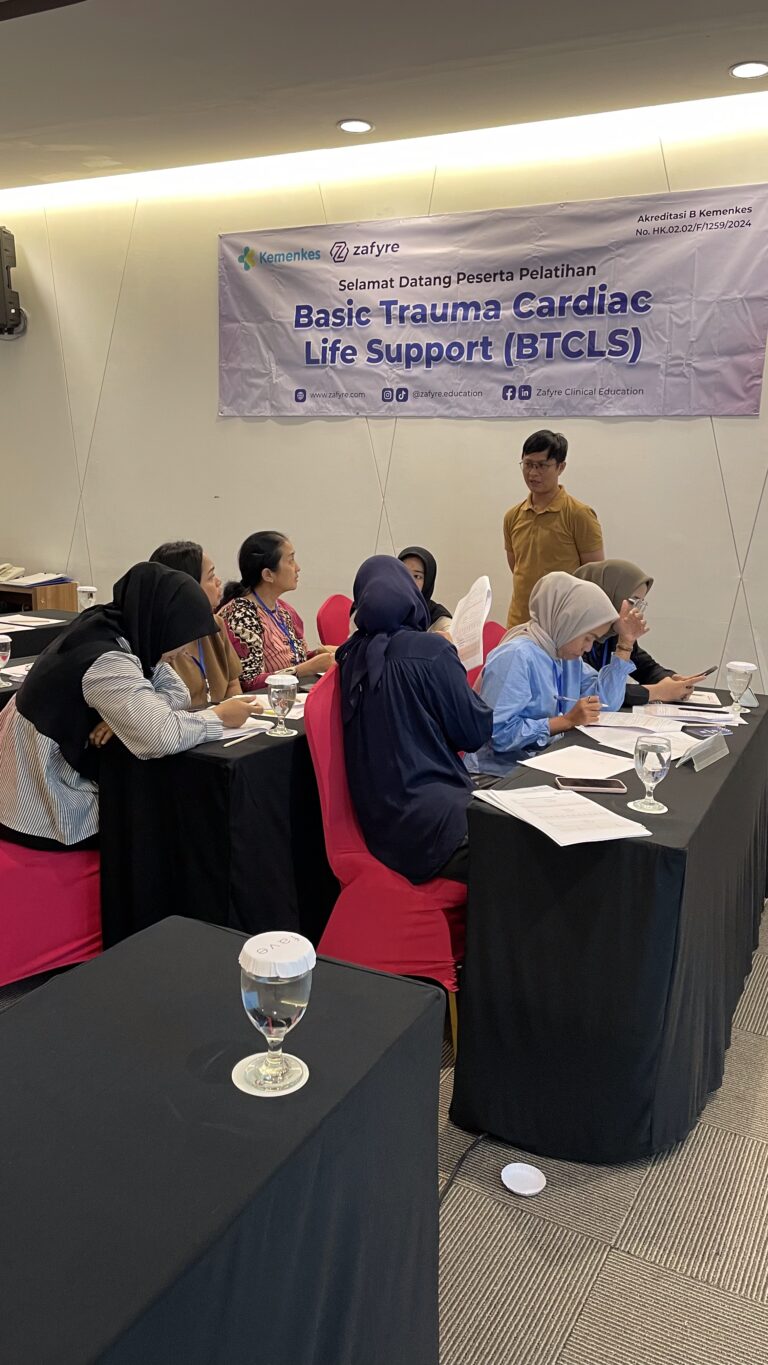
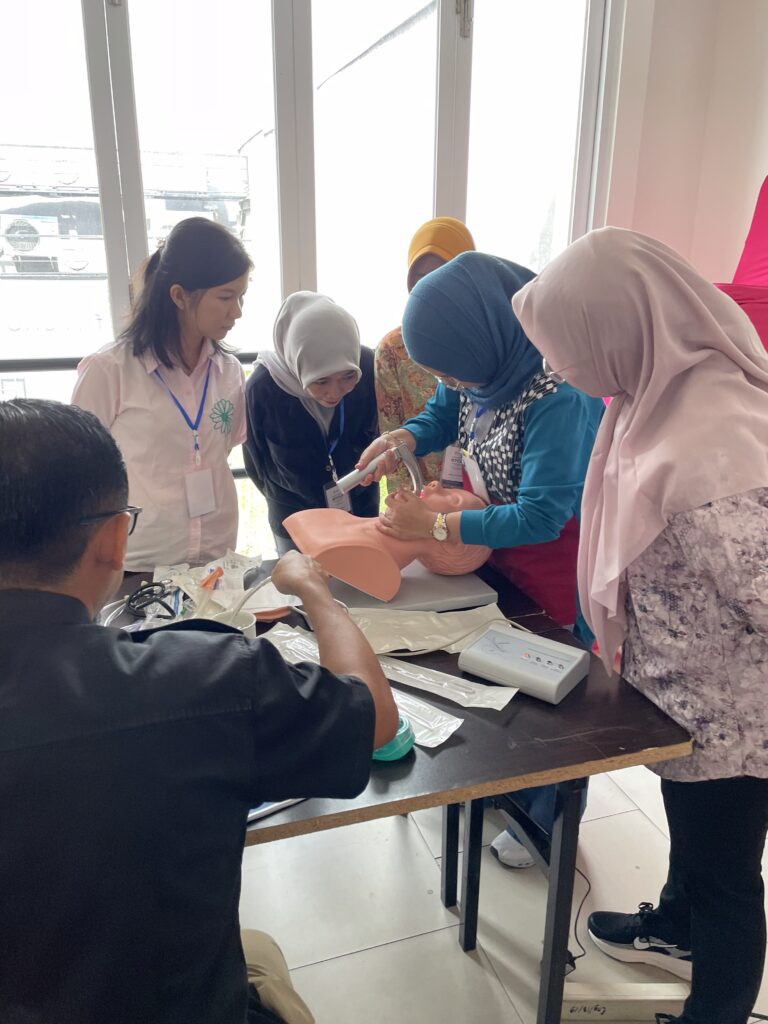
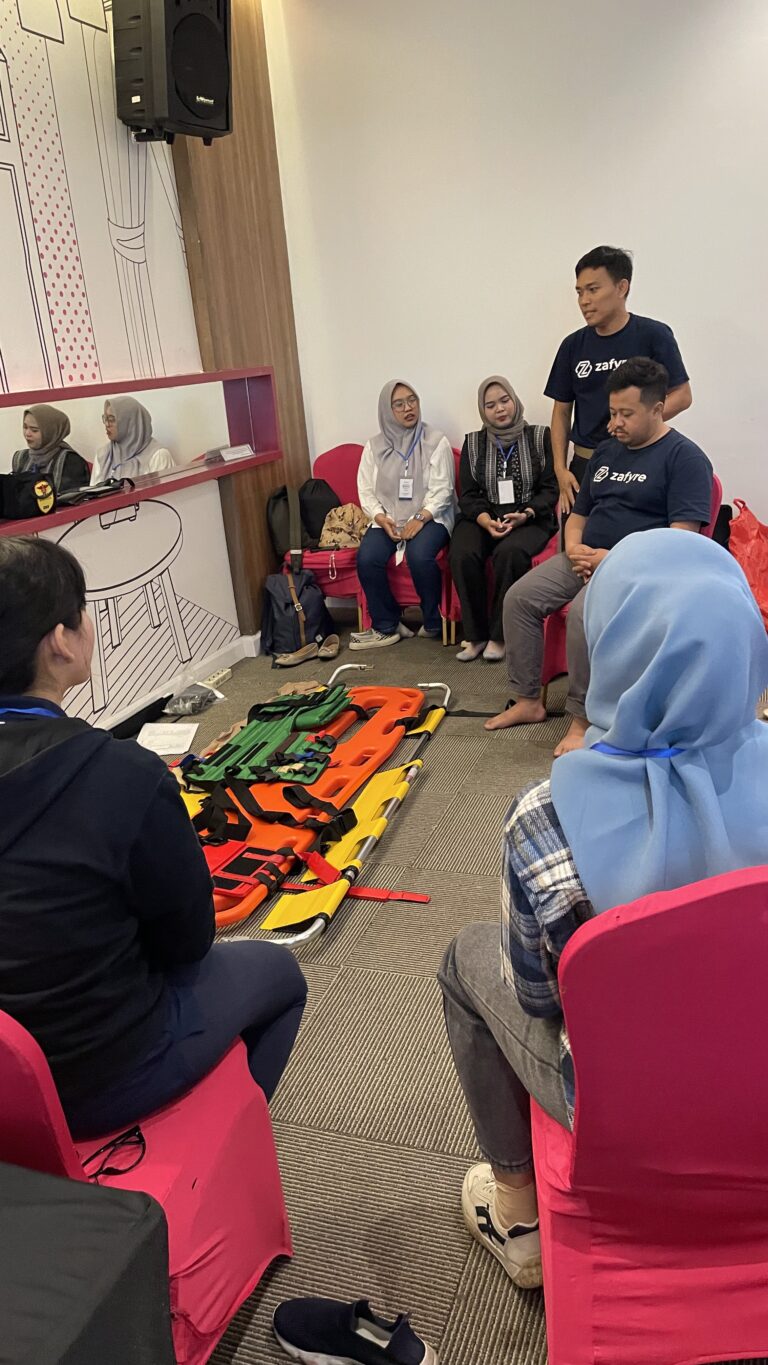
Photos of actual BTCLS (Basic Trauma and Cardiac Life Support) trainings conducted by Zafyre across Indonesia, where healthcare professionals practice essential emergency and clinical competencies aligned with the clinical skills hospitals in Indonesia look for in 2026, including triage, life support, and critical patient stabilization.
Competency frameworks emphasize that clinical competence integrates knowledge, skills, and attitudes, not just procedures.
✅Key skills include: (Rahmah et al., 2021; Suarmayasa et al., 2024; Suprapto et al., 2024)
1. Clear and structured communication with patients and families: This includes informed consent and risk–benefit discussions
2. Interprofessional teamwork: Structured handovers (SBAR), ward rounds with multidisciplinary teams, and respectful collaboration across hierarchies
3. Culturally and spiritually sensitive care, reflecting findings that spiritual and value‑based approaches are important in Indonesian nursing competence development
4. Professionalism: punctuality, accountability, responsiveness to feedback, and adherence to ethical and legal requirements
Qualitative studies of nurses in Indonesia show that maintaining competence is closely tied to continuous learning, reflection, and strong professional attitudes.
Policy shifts toward quality and competency push hospitals to value staff who can learn, adapt, and contribute to innovation.
Key skills include: (Nugroho et al., 2024; Setyorini et al., 2025; Suprapto et al., 2024; World Health Organization, 2026)
1. Engagement in continuous medical education (CME), workshops, and structured in‑service training, especially on new technology, emergency skills, and telehealth
2. Participation in quality improvement projects, clinical audits, and guideline implementation
3. Basic understanding of clinical research and trials processes, as Indonesia expands its clinical trial workforce for 2026–2027
4. Use of knowledge management practices, such as case discussions and sharing best practices, to build a “learning organization.”
Professional nurses, as per Persatuan Perawat Nasional Indonesia (PPNI/Indonesian National Nurses Association) standards, must adapt to rising demands; hence, continuous learning is a must.
As Indonesia transitions into a competency-driven healthcare era under the Health Omnibus Law and GR 28/2024, developing the clinical skills hospitals in Indonesia look for in 2026 becomes vital for every healthcare professional. Hospitals now prioritize demonstrable competence—ranging from bedside fundamentals and emergency care to telehealth readiness, digital documentation, ethical communication, and continuous learning.
These top clinical skills are no longer optional! These skills define not only hiring decisions but also long-term career progression in Indonesia’s rapidly evolving healthcare system.
To stay competitive, clinicians and nurses must intentionally upskill, adopt new technologies, and maintain a commitment to lifelong learning. Hospitals that invest in building these competencies within their workforce will be better prepared to deliver safer, more efficient, and more patient-centered care.
👉 Start upgrading your clinical skills today!
Explore training programs, initiate workshops, or strengthen your hospital’s competency framework to stay ahead in 2026.
1. Fontenot, N. M., Hamlin, S. K., Hooker, S. J., Vazquez, T., & Chen, H. (2022). Physical assessment competencies for nurses: A quality improvement initiative. Nursing Forum, 57(4), 710–716. https://doi.org/10.1111/nuf.12725
2. Noya, F., Carr, S., & Thompson, S. C. (2023). Expert consensus on the attributes and competencies required for rural and remote junior physicians to work effectively in isolated indonesian communities. Advances in Health Sciences Education, 29(2). https://doi.org/10.1007/s10459-023-10275-2
3. Nugroho, D. C. A., Adisaputro, K., Sigilipoe, M. A., Triastuti, I. A., Hutomo, S., Septarda, A. B., Yuwono, A., Yusuf, C. R., Sulistiawan, D., Gusbela, B., Hsu, J. C., & Su, E. C.-Y. (2024). Exploring disparities of teleconsultation readiness: A comparative analysis of healthcare facilities in Indonesia. DIGITAL HEALTH, 10(30). https://doi.org/10.1177/20552076241278296
4. Rahmah, N. M., Hariyati, T. S., & Sahar, J. (2021). Nurses’ efforts to maintain competence: A qualitative study. Journal of Public Health Research, 11(2), 2736. https://doi.org/10.4081/jphr.2021.2736
5. Santoso, B. (2024). Medical education in Indonesia: medical education curriculum in the future. Surabaya Medical Journal, 2(1), 1–7. https://doi.org/10.59747/smjidisurabaya.v2i1.68
6. Setyorini, D., Nusantari, S., & Sa’diyah, S. (2025). A CONCEPTUAL ANALYSIS OF COMPETENCY-BASED HOSPITAL RECLASSIFICATION IN KEDIRI CITY. Prosiding Seminar, 7(1), 13–17. https://doi.org/10.32503/prosidingseminar.v7i1.117
7. Suarmayasa, I. N., Swarjana, I. K., Adi Satriani, N. L., & Noviana Sagitarini, P. (2024). Implementation of nurse’s clinical competency: A scoping review. JNKI (Jurnal Ners Dan Kebidanan Indonesia) (Indonesian Journal of Nursing and Midwifery), 12(1), 41. https://doi.org/10.21927/jnki.2024.12(1).41-56
8. Suprapto, N., Kamaruddin, M. I., Herlianty, N., & Nurhanifah, D. (2024). Building Nurse Competency Strategy at Public Health Center in Indonesia: A Descriptive Qualitative Approach. The Malaysian Journal of Nursing, 15(03), 62–70. https://doi.org/10.31674/mjn.2024.v15i03.008
1. Eti. (2025, December 19). Competency-Based Hospital Classification: Digital Adaptation Strategy. Ksatria Medical Systems. https://www.ksatria.io/en/digital-health-strategies-and-policy/competency-based-hospital-classification-digital-adaptation-strategy/
2. SurgeryPlanet. (2025, July 4). Top 20 Best Hospitals in Indonesia – SurgeryPlanet. SurgeryPlanet. https://www.surgeryplanet.com/blog/top-20-best-hospitals-in-indonesia/
3. World Health Organization. (2026, January 6). Driving clinical trials in Indonesia through collaborative action. Who.int; World Health Organization: WHO. https://www.who.int/indonesia/news/detail/06-01-2026-driving-clinical-trials-in-indonesia-through-collaborative-action

Lembaga pelatihan kesehatan online bersertifikat SKP Kemenkes & internasional. Menyediakan pelatihan berbasis e-learning adaptif tersedia 24 jam, dapat diakses sesuai kebutuhan.