Top 5 Wound Management Mistakes and How to Avoid Them

Wound management is one of the most crucial skills for doctors, nurses, and midwives in Indonesia, as it reduces the likelihood of infection, accelerates healing, and enhances patient safety. However, mistakes in wound management in hospital, clinic, or community settings are still common. These mistakes cause healing delays, complications, chronic wounds, and poor patient outcomes.

If you are aware of common mistakes and know how to avoid them, you can provide care safely, effectively, and with high quality.

This article reviews five common mistakes in wound management and how to avoid them.

1. Wound Assessment Mistakes: Failing to Evaluate Properly

One look is not enough. Many health workers do not take the time needed to evaluate the state of the wound properly. Wound size, depth, exudate, tissue type, and signs of infection in the assessment should be noted.

❓Why it matters?
If not correctly assessed, the patient may develop a chronic wound or infection.

✅How to avoid it:

1. Document findings clearly

2. Check wounds frequently to track healing progress

3. Use a standard wound assessment framework

Assessing both the patient and the wound is essential to ensure an accurate diagnosis and the development of an effective management plan.

Key factors to evaluate include the wound’s type, location, shape, the amount and nature of exudate, existing comorbidities, medications in use, nutritional status, and any relevant investigations.

Various tools can assist in this assessment process, such as the TIME and MEASURE frameworks (Sussman, 2023).

TIME Framework

Tissue

Infection/Inflammation

Moisture balance

Edge (of wound)

MEASURE Framework

Measure (length, width, depth, and area)

Exudate (quantity and quality)

Appearance (wound bed, including tissue type and amount)

Suffering (pain type and level)

Undermining (presence or absence)

Re-evaluate (monitoring of all parameters regularly)

Edge (condition of edge and surrounding skin)

2. Improper Dressing Selection: Choosing the Wrong Material, Over- or Under-Dressing

The wrong dressing can delay healing. For example, a dressing may be too dry or too wet for the wound type, or occlusive dressings may trap excess exudate.

❓Why it matters?
If you use an incorrect dressing, you can infect, macerate, or deteriorate skin.

✅How to avoid it:

1. Apply Moist Wound Healing principles 

This means maintaining an optimal moisture level (not too dry or wet) by using appropriate dressings that manage excess fluid or add moisture as needed, while also ensuring the wound is clean and protected.

💡Benefits of a moist wound environment (Kristo Nuutila & Elof Eriksson, 2021):

Promotes faster and higher-quality healing

Enhances autolytic debridement

Reduces pain and scarring

Stimulates collagen synthesis

Supports keratinocyte migration

Maintains nutrients and growth factors in the wound microenvironment

2. Use modern dressings (hydrocolloids, alginates, foams, hydrogels) based on wound characteristics

3. Change dressings regularly based on wound progress

4. Monitor for complications such as odor, increased exudate, swelling, or redness around the wound

3. Ignoring Underlying Conditions That Affect Wounds

Wounds seldom occur in isolation. Frequently, underlying conditions such as diabetes, vascular disease, or prolonged immobility play a significant role in impaired healing.

❓Why it matters?
Focusing solely on the surface wound, while neglecting these contributing factors, often leads to persistent or recurrent wounds.

✅How to avoid it:

1. Assess for comorbidities like diabetes and peripheral arterial disease

2. Collaborate with a multidisciplinary team (doctors, nurses, dietitians, physiotherapists)

3. Provide comprehensive patient education for holistic wound management

4. Infection Control Mistakes: Poor Hygiene and Technique

Critical mistakes include ignoring early infection symptoms, reusing contaminated equipment, and neglecting hand hygiene.

❓Why it matters?
Infections increase hospital stays, morbidity, and healthcare costs.

✅How to avoid it:

1. Always use aseptic methods

2. Teach wound hygiene to patients and caregivers

3. Recognize signs of infection: pus, odor, or worsening pain

4. Perform swab and culture if infection is suspected

5. Use antiseptics at safe concentrations and limited duration to avoid tissue damage

6. Follow national Infection Prevention and Control (IPC) guidelines

5. Documentation Mistakes: Incomplete or Missing Records

Accurate wound documentation is often overlooked because it can be time-consuming.

❓Why it matters?
Without comprehensive documentation, monitoring wound healing progress becomes difficult, collaboration among healthcare providers suffers, and there’s a lack of legal protection should any issues arise.

✅How to avoid it:

1. Use standardized wound chart forms

2. Include photo documentation if possible

3. Record every intervention and patient response

4. Maintain comprehensive documentation to support collaboration among doctors, nurses, physiotherapists, and nutritionists.

✍️ For deeper insights, you can also read our related article: Bridging the Gap in Wound Care at the First Level of Health Facilities in Indonesia.

Cultural Aspects of Wound Management in Indonesia

Even in modern times, wound care remains shaped by cultural beliefs, cultural practices, and family in Indonesia. Knowledge of these factors aids healthcare professionals in providing effective as well as culturally appropriate care.

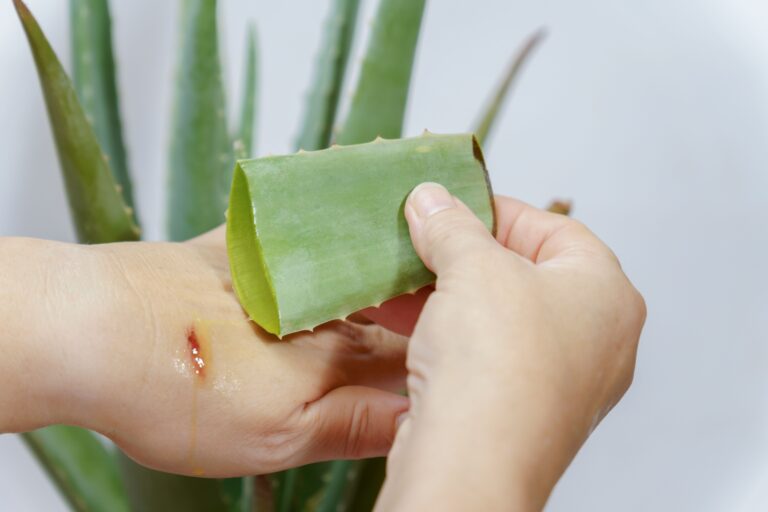
A person applies aloe vera gel to a small wound on their hand, illustrating traditional remedies and common wound management mistakes when not using sterile methods.
Using aloe vera for wound care is common in Indonesia, but without proper sterilization it can lead to infection—one of the top wound management mistakes. (Photo by Wirestock Creators on Shutterstock)

1. Use of Traditional Remedies

Herbal medicine, aloe vera, betel leaves (daun sirih), coconut oil, or honey are still employed by various communities in wound treatment (Swastini et al., 2025). Some are antibacterial, and other forms irritate and may delay healing if not sterilized. With these, patients should be taught safe practices while also being open to cultural options.


2. Family-Centered Care

Family participation in caring for sick members is also a part of Indonesian culture. Family members often assist in wound cleaning or dressing changes at home. Therefore, they should be educated and given proper demonstrations on correct wound hygiene, aseptic techniques, and signs of infection to prevent complications.


3. Perceptions of Wounds and Stigma

Chronic wounds, especially diabetic foot ulcers, can carry social stigma or be seen as a form of “karma” or spiritual imbalance. Healthcare providers must approach these beliefs empathetically, combining education with cultural respect to encourage compliance with medical treatment.


4. Modesty and Privacy

During wound inspection or dressing changes, cultural values related to modesty, especially for female patients, must be considered. If possible, provide same-gender care. This ensures privacy and helps maintain patient comfort and trust.


5. Accessibility and Socioeconomic Factors

Limited access to modern dressings, especially in rural areas, leads many to rely on traditional methods or even reuse gauze. Therefore, training local healthcare workers and integrating low-cost, evidence-based wound care solutions can bridge this gap effectively.


By integrating cultural understanding with clinical expertise, Indonesian healthcare workers can provide more holistic wound management, thus improving patient trust, compliance, and healing outcomes.

Why Avoiding Wound Management Mistakes Requires Training

Experience alone won’t help you avoid wound treatment mistakes. It requires ongoing training, evidence-based procedures, and up-to-date understanding. This is where professional growth is crucial for Indonesian physicians, nurses, and midwives.

Zafyre offers a Wound Management Course certified by both Thieme and Kemenkes. This course:

☑️Provides a comprehensive curriculum covering general wound care, surgical wounds, pressure injuries, diabetic foot ulcers, venous ulcers, and arterial ulcers

☑️Emphasizes evidence-based procedures to minimize errors and improve outcomes

☑️Offers 10 SKP credits

☑️Features flexible, affordable, AI-adaptive learning in 100% Bahasa Indonesia

By developing proficiency in these areas, healthcare providers can enhance patient recovery, promote safer and more efficient healing, and reduce the incidence of common wound care mistakes.

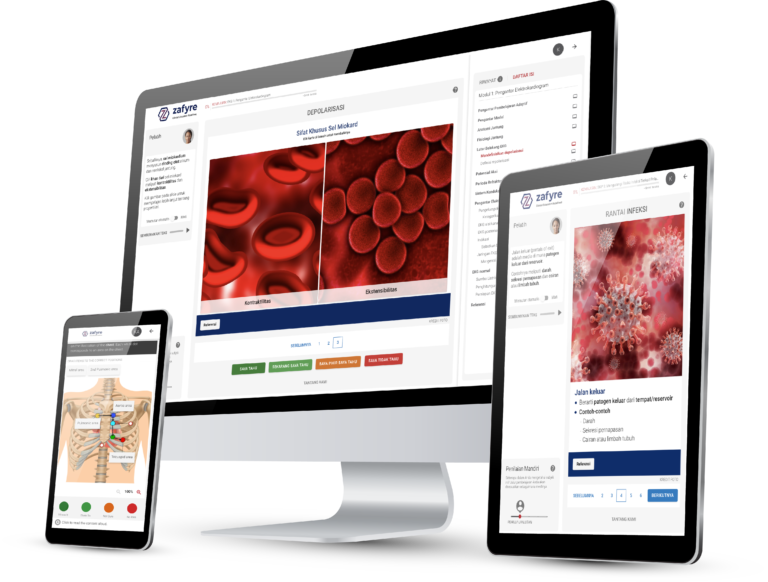
A multi-device view of Zafyre's AI-powered healthcare e-learning platform, showcasing interactive medical training modules on cardiology, infectious diseases, and anatomy. The platform enhances patient safety education through adaptive learning and digital assessments, suach as AI in patient safety.

👉 Are you ready to build your expertise in Wound Management?

References

1. None Moh Rozani, None Denny Susanto, None Mohammad Fauzi, & None Adrian Sali. (2024). Wound Treatment Using Aloevera in the Process of Accelerating Wound Healing for Post-Op Patients at the Lompe Ntodea Community Health Center. STRADA JURNAL ILMIAH KESEHATAN, 13(1), 38–44. https://doi.org/10.30994/sjik.v13i1.1110 

2. Nuutila, K., & Eriksson, E. (2021). Moist wound healing with commonly available dressings. Advances in Wound Care, 10(12). https://doi.org/10.1089/wound.2020.1232 

3. Sussman, G. (2023). An update on wound management. Australian Prescriber, 46(2), 29–35. https://doi.org/10.18773/austprescr.2023.006 

4. Swastini, D. A., Martien, R., Fachiroh, J., & Nugroho, A. E. (2025). Ethnopharmacology and bioactive evidence of medicinal plants for wound healing in Indonesia: A scoping review. Journal of Applied Pharmaceutical Science, 15(06). https://doi.org/10.7324/japs.2025.211952