People tend to overlook patient safety in Indonesia’s primary care settings, especially compared to hospitals. Yet, most people seek care at Puskesmas (Pusat Kesehatan Masyarakat). These are the government-run community health centers that make up the backbone of the country’s health system.
Puskesmas provide a wide range of services that include the following:
1. Preventive and promotive care
2. Maternal and child health services
3. Immunization and nutrition programs
4. Management of chronic and infectious diseases
5. Community-based health interventions
These community centers see huge numbers of patients, often with limited resources. The risks to patient safety aren’t just theoretical—they’re real and pressing. Still, because primary care is usually seen as “low risk.”
This article highlights key patient safety challenges in Indonesian primary care and lays out practical, locally relevant solutions.
According to the World Health Organization (2023), patient safety means “the absence of preventable harm to a patient and reduction of risk of unnecessary harm associated with health care to an acceptable minimum.” The goal is simple: build systems, habits, and environments in healthcare that make mistakes rare and reduce the fallout when they do happen.
In primary care, patient safety risks are:
1. Often less visible than hospital-based errors:
WHO data shows that four in ten patients face some kind of harm in primary or ambulatory care, and up to 80% of those cases are preventable. Across countries, anywhere from 20–25% of people experience harm during a visit (Gambhir et al., 2020; WHO, 2023).
2. Include common risks such as medication errors, diagnostic errors, and communication and follow-up failures:
Medication errors are common, often because of miscommunication, poor training, or mistakes with dosing and record-keeping. Diagnostic errors and delays happen, too—fragmented care and too-brief appointments play a part. Communication breakdowns only make things worse, leading to missed test results or problems when handing off care (Gambhir et al., 2020; Tariq et al., 2024).
3. Perceived as low-risk:
Assuming primary care involves only “low-risk” services leads to underfunded safety systems, less training, and weak incident reporting.
In Indonesia, Law No. 17 of 2023 on Health (UU Kesehatan Nomor 17 Tahun 2023) lays out the rules for patient safety throughout the healthcare system. The law makes patient safety a core responsibility at every level of care.
📚Law No. 17 of 2023 explicitly emphasizes:
1. The right of patients to receive safe and quality healthcare services
2. The accountability of healthcare workers for ensuring patient safety
3. The obligation to comply with professional standards and standard operating procedures (SOPs)
Within this framework, patient safety is not an optional quality initiative but a legal and professional obligation, including in primary care.
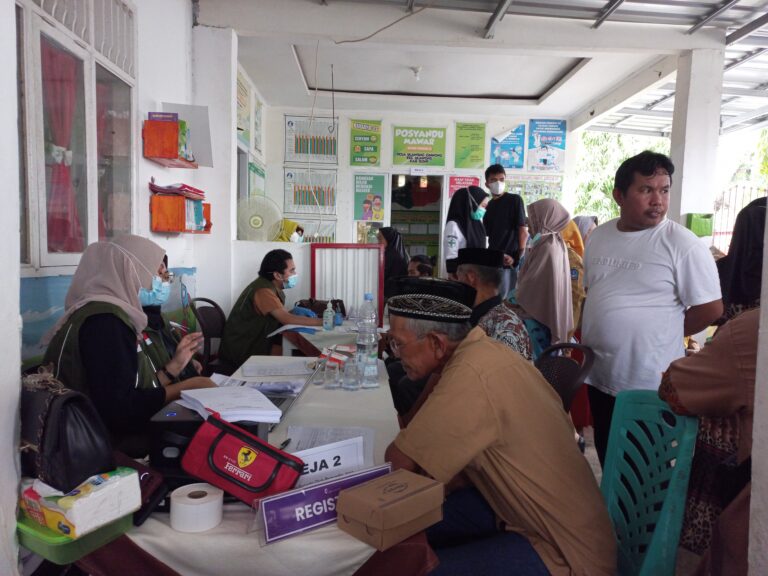
Infection prevention remains a critical challenge in many primary care settings due to:
a. High patient volumes that overwhelm limited spaces, leading to crowded waiting areas and rushed procedures that compromise hygiene protocols.
b. Inconsistent hand hygiene compliance that stems from heavy workloads and inadequate training
c. Limited availability of PPE and IPC supplies
❗Patient safety impact: Increased risk of healthcare-associated infections (HAIs) and cross-transmission during routine procedures like immunizations and wound care (Jones, 2023; Deeves et al., 2025).
Medication errors are among the most common safety incidents in primary care, including (Bryan et al., 2020; WHO, 2023):
a. Incorrect dosing that arises from vague guidelines or handwriting issues
b. Look-alike and sound-alike (LASA) medications: Examples are hydroxyzine and hydralazine, which confuse providers due to similar names, packaging, or appearances
c. Limited pharmacist support in smaller facilities delays double-checks, increasing risks.
d. Patient Factors:
Low health literacy leads patients to misinterpret chronic medication instructions, resulting in adverse drug events, treatment failures, or unnecessary hospital referrals (Supapaan et al., 2024).
❗Patient safety impact: Adverse drug events, treatment failure, and avoidable hospital referrals.
Managing chronic illnesses like diabetes, hypertension, or tuberculosis in Indonesian primary care brings its own set of safety problems (Febriyanti et al., 2025). The patient load keeps growing, but resources don’t keep up.
Key risks include:
a. Inadequate monitoring and follow-up, which may miss subtle declines in chronic patients, are exacerbated by episodic visits rather than continuous oversight.
b. Fragmented care across multiple providers that disrupts coordinated management
c. Inconsistent documentation that hinders continuity, risking overlooked test results or medication adjustments.
❗Patient safety impact: Delayed detection of deterioration and preventable complications.
Primary care providers often work under time pressure, which can lead to:
a. Missed early warning signs that occur due to short consultation times and high patient loads. This prevents thorough assessments in busy settings.
b. Delayed referrals to higher-level facilities: This stems from slow online systems, such as Sisrute, where hospital responses lag, forcing patients to wait hours or days.
c. Incomplete referral documentation: Incomplete referral paperwork and breakdowns between Puskesmas and hospitals lead to lost information, such as test results or patient histories, complicating care at higher levels (Putu Cindy Elisya Intan Larasati & Luh Putu Sinthya Ulandari, 2024).
❗Patient safety impact: Disease progression, delayed treatment, and increased morbidity.
Many Puskesmas face (Febriyanti et al., 2025):
a. Staff shortages: Staff shortages force existing personnel to handle overwhelming patient volumes, often exceeding 50-100 consultations daily without adequate support.
b. High workload and burnout: These reduce focus on critical tasks like hand hygiene or medication checks.
c. Limited access to regular training: Infrequent training sessions fail to update staff on evolving safety standards, such as IPC or diagnostic protocols, due to budget constraints and remote locations.
❗Patient safety impact: Increased human error rates in medication dosing, referrals, and monitoring, resulting in HAIs, delayed diagnoses, and poorer chronic disease outcomes.
Practical strategies can significantly enhance patient safety in primary care by addressing resource constraints and operational realities. These approaches focus on simple adaptations, staff empowerment, better documentation, and patient involvement to reduce errors and improve outcomes.
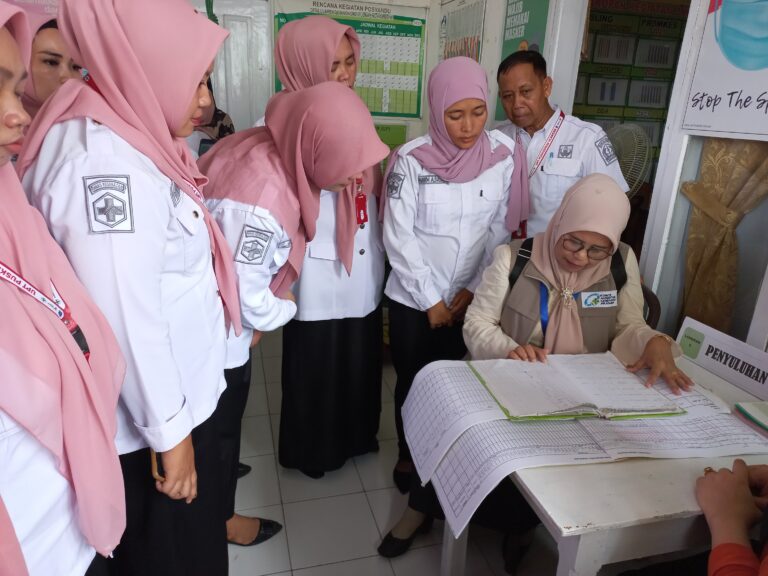
Basic safety procedures form the foundation of patient safety in primary care. Clear, standardized processes help reduce variability, prevent avoidable errors, and support consistent decision-making in high-volume, resource-constrained settings.
✅Strategies include:
a. Adapt patient safety SOPs specifically for primary care
b. Use simple checklists for procedures, referrals, and medication dispensing
c. Strengthening Infection Prevention and Control (PPI) through consistent application of:
Hand hygiene
Appropriate use of personal protective equipment (PPE)
Environmental cleaning
Safe injection practices
These measures are essential to preventing healthcare-associated infections at the primary care level.
📝Remember, even small system changes can markedly reduce risk.
In primary care settings, where patients are seen across multiple visits and providers, reliable documentation is essential to ensure continuity and safety.
✅Strategies include:
a. Clear and accurate medical records
b. Reliable patient identification practices
c. Use of digital systems, where available, to support continuity of care
📝Note that access to accurate patient information is more important than the physical location of records.
Patients and families are valuable partners in safety. Patient engagement reduces confusion and errors.
✅Strategies include:
a. Educating patients about medication use
b. Supporting question-asking and clarification
c. Promoting shared responsibility for follow-up care
Health workers play a key role in keeping patients safe in primary care. To keep up with evolving risks and changing demands, they need constant training that builds their knowledge, sharpens their skills, and keeps safety a top priority.
✅Strategies include:
a. Regular patient safety and infection prevention training
b. Blended learning methods integrating online theory and practical sessions
c. Scenario-based training relevant to primary care settings
As Indonesia strengthens its primary healthcare system, patient safety must become a core component rather than an afterthought.
Future priorities include:
✅Expanding patient safety training beyond hospitals
✅Making use of digital health tools responsibly
✅Building a national culture of safety from community to tertiary care
Enhancing safety at the primary care level improves outcomes throughout the healthcare system.
☑️Equip yourself with practical, evidence-based skills to improve patient safety in primary care.
☑️Enrol in our Patient Safety Training Course designed for Indonesian healthcare professionals, aligned with national regulations and global standards.
👉 Enrol now and contribute to safer care across all levels of healthcare!


Lembaga pelatihan kesehatan online bersertifikat SKP Kemenkes & internasional. Menyediakan pelatihan berbasis e-learning adaptif tersedia 24 jam, dapat diakses sesuai kebutuhan.