10 Nursing Assessment Red Flags Every Nurse Must Recognize

Patient assessment is one of the most basic duties of nurses. During this process, nurses must identify red flags indicating critical or life-threatening conditions.

In Indonesia, nurses work in various settings, including tertiary hospitals, emergency units, puskesmas, clinics, and community outreach. This emphasizes the importance of early recognition of clinical red flags to prevent deterioration, lower complications, and save lives.

Understanding these 10 critical nursing assessment red flags is essential for prompt recognition and rapid response, ensuring patient safety.

1. Sudden Onset Chest Pain

Sudden chest pain, especially when paired with sweating, nausea, pain radiating to the arm or jaw, or shortness of breath, is a significant red flag.  

❓Possible causes: myocardial infarction, unstable angina, and aortic dissection

✅Nursing Actions:  

1. Act quickly to stabilize the patient and enable rapid diagnosis and treatment, empowering nurses to act decisively.  

2. Escalate the situation, perform an ECG, check vital signs, and provide oxygen as needed.

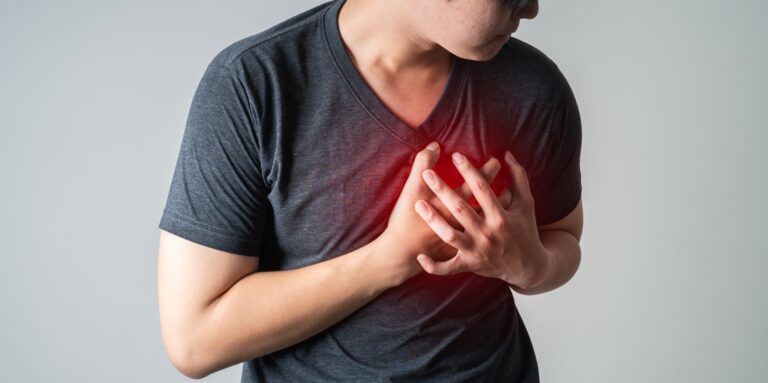
Man clutching his chest in pain with red highlight over the heart area, representing chest pain as one of the critical nursing assessment red flags for possible cardiac emergency.
Chest pain is a major warning sign that requires immediate evaluation. Recognizing this symptom as part of nursing assessment red flags helps healthcare professionals respond quickly to potential cardiac emergencies such as myocardial infarction. (Photo by 19 STUDIO on Shutterstock)

2. Severe Shortness of Breath or Labored Breathing

Respiratory distress is one of the most urgent nursing assessment red flags.

Look for:

1. Use of accessory muscles

2. Cyanosis

3. Inability to speak complete sentences

4. Low oxygen saturation

❓Possible causes: asthma exacerbation, pneumonia, anaphylaxis, pulmonary edema, or pneumothorax.

✅Nursing actions:

1. Ensure airway patency

2. Administer oxygen as indicated

3. Monitor respiratory status closely

4. Escalate immediately

3. Altered Level of Consciousness

Any sudden change in consciousness—from confusion and drowsiness to unresponsiveness—requires rapid attention.

❓Possible causes: Hypoglycemia, Stroke, Infection or sepsis, Drug or toxic substance exposure

✅Nursing actions:

1. Assess using GCS or AVPU

2. Check blood glucose

3. Monitor neurological status

4. Notify the medical team immediately

4. Uncontrolled Bleeding

Active bleeding, whether internal or external, can quickly lead to shock

❗Warning signs:

1. Hypotension

2. Tachycardia

3. Pale, cool skin

4. Anxiety or restlessness

✅Nursing actions:

1. Apply direct pressure

2. Monitor vital signs for shock

3. Prepare for urgent intervention or referral

5. High Fever with Rash or Stiff Neck

The combination of fever, rash, and neck stiffness may indicate meningitis or sepsis, both of which require emergency care.

✅Additional signs to look for:

1. Petechial rash

2. Severe headache

3. Photophobia

6. New Neurological Deficits

Sudden neurological changes are among the most time-sensitive red flags in nursing assessment (Ernstmeyer & Christman, 2021).

Examples: facial drooping, arm weakness, slurred speech, loss of balance, sudden severe headache

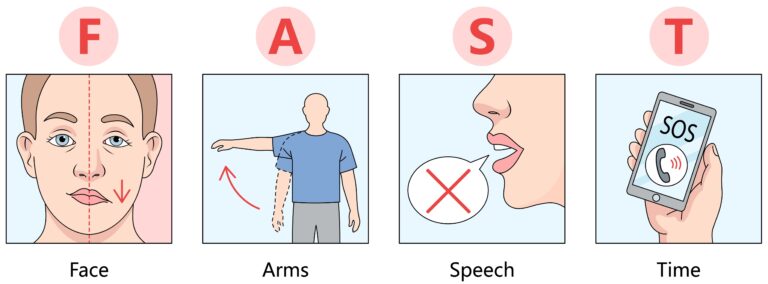
✅Use the FAST tool to screen for potential stroke. A widely used and easy-to-remember acronym to quickly identify the most common signs of a potential stroke and emphasize the importance of rapid action.

❗Understanding the FAST tool is crucial as it provides a quick, easy method to identify stroke signs and act swiftly.

Infographic showing the FAST warning signs of stroke—Face drooping, Arm weakness, Speech difficulty, and Time to call emergency services—highlighting critical nursing assessment red flags for early stroke recognition and rapid response.
This stroke awareness infographic illustrates the FAST method (Face, Arms, Speech, Time) as essential nursing assessment red flags. Early identification of facial drooping, arm weakness, and speech difficulty helps healthcare professionals and caregivers respond quickly and improve patient outcomes during stroke emergencies. (Photo by Alexander_P on Shutterstock)
F = Face drooping or twisting 

One common symptom of a stroke is that half of the face droops or slightly twists downward.

Ask the person to smile.

What to look for: Does one side of the face droop, or is it numb? Is the person’s smile uneven?

A = Arm weakness

Ask the person to raise both arms.

Does one arm drift downward, or is one arm unable to be raised fully?

When experiencing arm weakness, one arm might be weak or numb. Does one arm drift downward, or is one arm unable to be raised fully?

S = Speech difficulty  

Ask the person to repeat a simple phrase.  

Is their speech slurred, or do they struggle to find words or understand what you say?  

Slurred speech, word switching, and difficulty speaking clearly are also normal signs of a stroke.  

T = Time to call emergency services (Indonesia 112)  

On average, 1.9 million brain cells die every minute that a stroke is untreated.  

If you notice any of these symptoms, even if they go away, call for emergency medical help immediately. Time is critical, as early treatment can save lives and improve outcomes. Remember the time the symptoms first appeared or when the person was last known to be well.  

Early stroke treatment increases the chances of survival and reduces disability rates (Yamanie et al., 2025).

7. Acute Abdominal Pain with Guarding or Rigidity

This may indicate life-threatening abdominal conditions such as:  

1. Appendicitis  

2. Peritonitis  

3. Bowel obstruction or perforation  

4. Ectopic pregnancy  

✅Look for signs of distention, rebound tenderness, persistent vomiting, or hypotension.

8. Sudden Drop in Blood Pressure

A quick drop in blood pressure can be caused by:  

1. Sepsis  

2. Internal bleeding  

3. Cardiogenic shock  

4. Anaphylaxis  

Always monitor trends—sudden changes are riskier than a single low reading. 

9. Decreased Urine Output (<30 mL/hour)

Oliguria is an early red flag for (Manu et al., 2024):

1. Acute kidney injury

2. Dehydration

3. Sepsis

4. Poor perfusion/shock

✅Nursing actions:

1. Monitor intake and output

2. Assess hydration status

3. Report promptly

10. Severe Pain Disproportionate to Examination

If a patient’s pain is much greater than what the physical findings suggest, be cautious.

❗Possible emergencies include:  

1. Compartment syndrome  

2. Necrotizing fasciitis  

3. Ischemia

4. Aortic aneurysm rupture  

✅This red flag is often overlooked. Severe pain that does not match physical exam findings can be missed because clinicians may too often rely on objective signs to confirm a patient’s history. Meanwhile, serious underlying conditions, like ischemia, may initially show subtle or absent physical signs.

General Actions Nurses Must Take When Red Flags are Observed

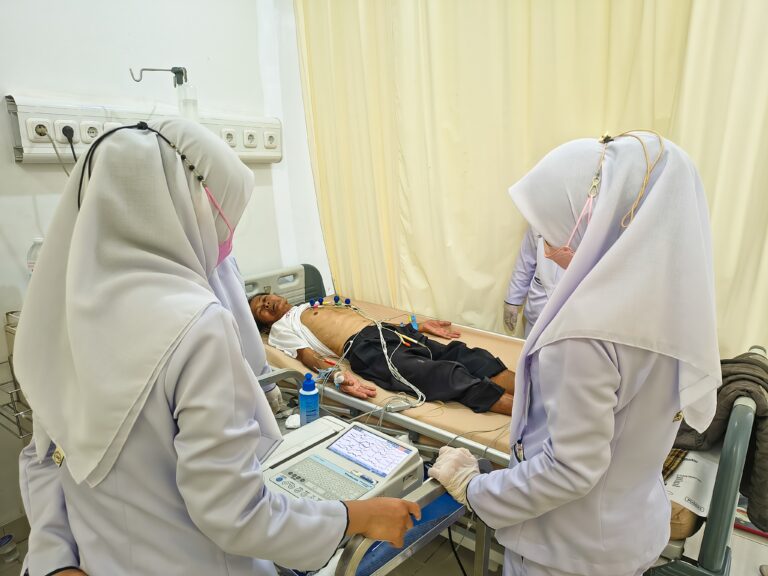
Nurses using a cardiac monitor and stethoscope to assess a male patient lying in a hospital bed, identifying nursing assessment red flags during bedside evaluation and cardiac monitoring.
Two nurses perform bedside cardiac monitoring and physical assessment on a hospitalized patient. Continuous evaluation of vital signs and heart rhythm helps detect nursing assessment red flags and supports early intervention in acute care settings. (Photo by Retno Aditya on Shutterstock)

Whenever a nursing assessment red flag is identified, nurses should take the following actions immediately:

1. Ensure Airway, Breathing, and Circulation (ABC) are Stable

Check airway patency

Assess breathing effort, rate, and oxygen saturation

Monitor circulation: pulse rate, blood pressure, skin color, capillary refill

❗If unstable → escalate immediately.

2. Position the Patient Safely

Breathing issues → High Fowler’s/upright position

Hypotension/fainting → Supine with legs elevated (unless contraindicated)

Suspected stroke → Head elevated 30 degrees

✅Correct positioning reduces the risk of deterioration.

3. Administer Oxygen if Indicated and Allowed by Protocol

Use a nasal cannula or mask based on severity

Titrate to maintain appropriate SpO₂

Monitor continuously

✅Oxygen is a first-line intervention for most emergency symptoms. (Weekley & Bland, 2025)

4. Monitor Vital Signs Frequently

Take and re-check:

Blood pressure, heart rate, respiratory rate, SpO₂, temperature, level of consciousness (AVPU/GCS)

Repeat every 5–15 minutes, depending on severity.

5. Establish or Maintain IV Access

For rapid medication, fluid resuscitation, or lab draws.

6. Prepare Emergency Equipment and Medications

Depending on the scenario:

1. Suction machine

2. Bag-valve-mask (BVM)

3. Defibrillator/AED

4. Nebulizers

5. Epinephrine (anaphylaxis)

6. IV fluids

❗Anticipate what may be needed.

7. Conduct a Focused Assessment Based on the Red Flag

Examples:

Chest pain → ECG, chest auscultation

Shortness of breath → lung assessment, respiratory pattern

Altered mental status → glucose check, neurological exam

Uncontrolled bleeding → locate source, apply pressure

✅This step supports rapid diagnosis.

8. Notify the Physician or Emergency Team Immediately (SBAR)

Use clear communication:

Situation: What is happening now

Background: Relevant medical history

Assessment: What you found

Recommendation: What you need urgently

✅This ensures rapid escalation.

9. Prepare for Possible Emergency Transfer or Activation of Code Team

Examples:

Activate emergency response / RRT

Call 112 if in a community setting

Prepare the patient for ER transfer or advanced care

❗Time lost = outcome worsens.

10. Provide Psychological Support and Reassurance

Stay with the patient

Speak calmly

Reduce anxiety and unnecessary movement

Explain what you are doing

✅Anxiety increases oxygen demand and worsens symptoms.

11. Document Assessment, Interventions, and Patient Response

Record precisely:

Symptoms observed

Vital signs

Interventions performed

Time and sequence of events

Provider notifications

✅Accurate documentation supports continuity of care and legal protection.

❗Disclaimer: 

The actions outlined above represent general steps that nurses may take when encountering nursing assessment red flags. These recommendations should not replace local clinical guidelines, institutional policies, standing orders, or the direction of a licensed medical provider. Each healthcare facility may have specific protocols for emergency response, oxygen administration, medication preparation, documentation standards, and escalation pathways. Nurses should always follow their facility’s SOPs, scope-of-practice regulations, and the instructions of the attending physician or emergency medical team. Clinical judgement and situational assessment remain essential in all patient care decisions.

📖Read more about patient assessment in the nursing process in our previous blog.

Recognizing nursing assessment red flags is a core competency that greatly enhances patient safety and clinical decision-making. When nurses detect these early warning signs, they help prevent complications, facilitate timely medical interventions, and improve patient outcomes.

🩺Prepare to enhance your clinical assessment skills!

Join Zafyre’s Patient Assessment training designed to meet current clinical standards and Kemenkes competency requirements.

ENROLL NOW

References:

1. American Heart Association (AHA). (2025). Check out the F.A.S.T. Experience. Www.stroke.org. https://www.stroke.org/en/fast-experience 

2. Bacelar, L., de Jesus Meszaros, M., de Freitas Neves Silva, M., & São‐João, T. M. (2023). Nursing Training for early clinical deterioration risk assessment: Intervention Protocol (Preprint). JMIR Research Protocols, 12(1), e47293–e47293. https://doi.org/10.2196/47293 

3. Ernstmeyer, K., & Christman, E. (2021). Chapter 6 Neurological Assessment. National Library of Medicine; Chippewa Valley Technical College. https://www.ncbi.nlm.nih.gov/books/NBK593206/ 

4. Manu, Tantakoun, K., Zara, A. T., Ferko, N. C., Kelly, T., & Dabrowski, W. (2024). Urine output is an early and strong predictor of acute kidney injury and associated mortality: a systematic literature review of 50 clinical studies. Annals of Intensive Care, 14(1). https://doi.org/10.1186/s13613-024-01342-x 

5. Payton, H., & Warren, S. (2024). How to identify red-flag symptoms and refer patients appropriately. The Pharmaceutical Journal, 312(7983). https://doi.org/10.1211/pj.2024.1.305174 

6. Registeredbsn.com. (2023, July 15). RB.S.(n) Clinical Pearl: Nursing Assessment Red Flags. Registered B.S.n. https://www.registeredbsn.com/nursing-assessment-red-flags/ 

7. Saharuddin, S., Nurachmah, E., Masfuri, M., Gayatri, D., Kimin, A., Sakti, M., Saidi, S. B., & Yona, S. (2025). Exploring Clinical Decision-Making Competencies of Emergency Nurses in Trauma Care in Indonesia: Qualitative Study. Asian Pacific Island Nursing Journal, 9. https://doi.org/10.2196/74282 

8. Weekley, M. S., & Bland, L. E. (2025). Oxygen Administration. National Library of Medicine; StatPearls Publishing. https://www.ncbi.nlm.nih.gov/books/NBK551617/