Strengthening Preventive Care in Indonesia: An Early Screening Guide for Nurses
Introduction: The Shift Toward Prevention
In recent years, Indonesia has placed a stronger emphasis on preventive care. The healthcare system now prioritizes prevention, early detection, and overall wellness instead of treating illness after it occurs. This change signifies the country’s commitment to reducing the impact of non-communicable diseases (NCDs) and fostering healthier communities nationwide. In early 2025, the Ministry of Health launched a national program to provide free preventive health screenings to millions of citizens. The main goal is to detect risks for serious diseases early, before they become life-threatening. This includes risks for cardiovascular disease, diabetes, and stroke. The program is a vital step towards enhancing preventive care across Indonesia, benefiting both the community and national health. For nurses and other healthcare workers in Indonesia, this shift presents new opportunities to lead initiatives focused on health promotion and early screening. It highlights their crucial role as educators, advocates, and first responders in building a healthier, more resilient society.
This article outlines what every healthcare professional should know to actively support the country’s preventive health efforts.
Key Regulatory & Policy Frameworks in Indonesia
Understanding the regulatory landscape is important for healthcare professionals in Indonesia. This includes the following:
1. Health Law Number 17 of 2023
This new law provides a comprehensive framework for the Indonesian health system, emphasising prevention, health promotion, and access.
2. The government’s free health screening initiative
As of early 2025, the Ministry of Health of the Republic of Indonesia has launched a nationwide screening programme targeting children under six and adults (18+) that includes blood pressure, heart/stroke risk assessments, eye tests, and mental health checks.
3. Primary care & minimum service standards
The focus of the 2025-2029 national medium-term plan is on strengthening primary health services (through puskesmas, posyandu, home visits) as a vehicle for preventive care.
4. Local regulations
For example, in a city like Bekasi. Screening services for the productive age (15–64) refer to Regulation of the Minister of Health No. 4 of 2019 on technical standards for service quality.
Indonesia’s Preventive Health Revolution
Preventive care is at the heart of the government’s “Indonesia Emas 2045” vision. This outlines a national plan for creating a healthier, more productive population by the time the country celebrates its centennial. Nearly 70% of deaths in Indonesia stem from chronic diseases. Many of which could be prevented through early screening and lifestyle changes.
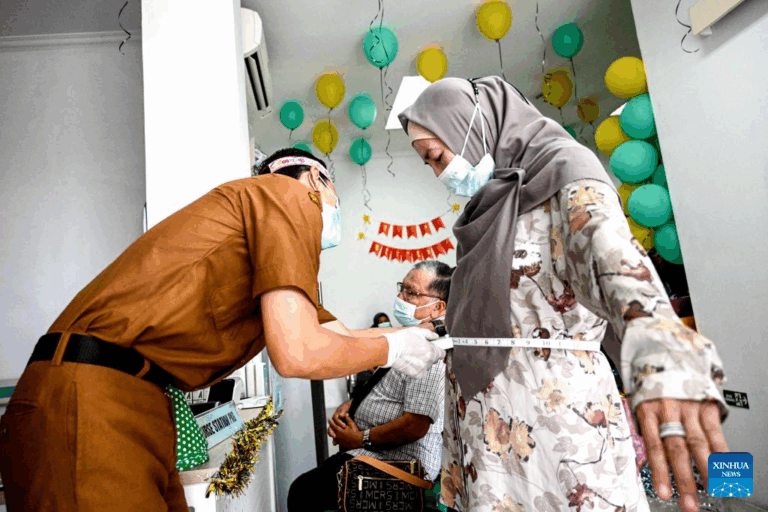
A woman undergoes a health screening on the first day of the Free Health Check (CKG) program at Ciater Community Health Center in South Tangerang, Banten Province, Indonesia, Feb. 10, 2025. (Photo by Xinhua News/Agung Kuncahya B.)
National Screening and the CKG Program
This is a USD 183 million nationwide screening initiative that offers free annual health check-ups for all citizens.
Key features
✅Coverage: All Indonesians, from infants to the elderly, are eligible for screenings. ✅Services: Basic health checks include blood pressure, cholesterol, glucose levels, and risk assessments for NCDs. ✅School-based screenings: In addition, students receive checks for tuberculosis, eye and ear health, as well as screenings for hepatitis B. ✅Access points: These screenings occur at community health centers (Puskesmas), local health posts (Posyandu), schools, workplaces, and through mobile health units.
Goals of the program
✅Encourage a shift in mindset from “treat when sick” to “check when healthy.” ✅Reduce stunting and other preventable health issues. ✅Detect and manage diseases early to avoid serious health complications and expensive treatments.
This endeavor empowers community health centers as the primary frontline for preventive healthcare. This enables them to screen citizens for key health indicators. The collective effort aligns with a broader focus on population health, emphasizing long-term wellness and community-level outcomes.
In this evolving landscape, nurses and health professionals hold a vital position in promoting preventive care in Indonesia. Their daily contributions are essential to strengthening the healthcare system through education, screenings, and outreach.
Here are some key roles that nurses play in preventive care (Shigley, 2025):
1. Patient Education and Health Promotion
Nurses empower individuals and families to take charge of their health by: – Offering one-on-one guidance on nutrition, hygiene, and lifestyle modifications. – Conducting community workshops focused on disease prevention and early detection. – Creating public health campaigns that encourage people to schedule regular health check-ups.
2. Administering Screenings and Vaccination
Preventive healthcare hinges on early diagnosis and vaccinations. Nurses are instrumental in: – Carrying out basic health screenings for blood pressure, glucose, and cholesterol levels. – Supporting vaccination efforts for children, adults, and those at higher risk. – Overseeing follow-up care to prevent complications and ensure consistent treatment.
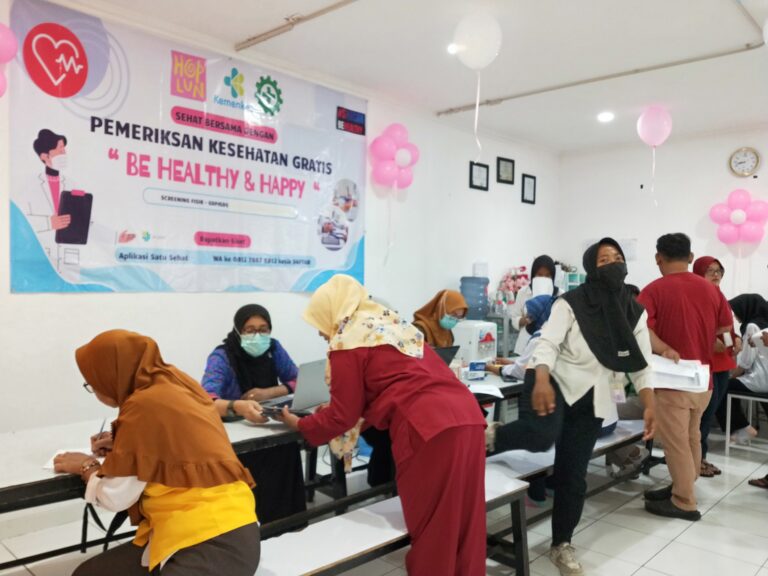
A community health outreach in Boyolali, Indonesia, on September 23, 2025, with the theme Be Healthy and Happy, promoting wellness and awareness. (Photo by BronisArt_2023 on Shutterstock)
3. Community Outreach and Public Health Initiatives
Nurses extend their reach beyond hospitals, actively engaging with the community by: – Coordinating programs at Posyandu and Puskesmas, particularly in maternal and child health. – Leading initiatives to combat chronic illnesses and infectious diseases at the local level. – Collaborating with schools, workplaces, and non-profits to enhance overall population health. Through these actions, nurses serve as catalysts for change, improving access, raising awareness, and ultimately enhancing outcomes for preventive care across Indonesia.
Building Competencies for Preventive Practice
To succeed in this new healthcare paradigm, Indonesian nurses and health workers must develop a broader set of competencies that go beyond bedside care.
1. Clinical Competency:
Understanding the screening processes for non-communicable diseases, maternal care, mental health, and communicable diseases.
Understanding how to evaluate the findings and report them specifically to clients.
2. Health Education and Communication:
Delivering prevention messages in culturally and emotionally relevant ways. For instance, by making an analogy to their life or reporting findings in their local dialect.
3. Digital Literacy:
Becoming comfortable in the use of electronic medical records, mobile applications, and research – telehealth associated – processes to follow screening distribution and reporting.
4. Interprofessional Collaboration:
Working cooperatively and collaboratively as part of a team, learning how to recognize the roles of doctors, nutritionists, midwives, and community health workers while working towards mutually aligned goals aimed at the health of the population.
Training in these areas not only strengthens clinical competence but also fosters confidence in leading community health initiatives.
Challenges and Enablers in Preventive Care
While the national focus on preventive care is promising, several challenges remain:
✅Low health literacy: Many citizens still prioritize curative care and overlook preventive checks.
✅Limited infrastructure: Remote regions may lack diagnostic tools or trained staff.
✅Data inconsistency: Screening results are often recorded manually, slowing national data collection.
However, several enablers are helping Indonesia overcome these barriers:
✅Government investment: The national screening initiative demonstrates a long-term commitment.
✅Technology adoption: Telehealth platforms and mobile screening units extend care to underserved areas.
✅Workforce development: E-learning and blended training programs make it easier for healthcare workers to gain skills while balancing daily duties.
The convergence of policy, technology, and training creates a unique moment for Indonesia to strengthen its preventive care infrastructure.
– Two community-based programmes in Indonesia aimed at preventing and managing NCDs, specifically hypertension and diabetes, were evaluated in the study.
– These programmes were implemented at a local level, involving community health centres (Puskesmas) and trained community health workers to screen high-risk individuals, provide education, and support lifestyle change.
– Results showed measurable improvements in risk factor management: participants in intervention groups had better control of blood pressure and blood glucose compared to control groups.
– Key success factors included early screening, community engagement, collaborative care models, and consistent follow-up.
– Implication: This demonstrates that strengthening preventive care in Indonesia through structured community-based programmes is feasible and effective in reducing NCD burden.
– Programs like these demonstrate how grassroots health promotion can reduce long-term healthcare costs and save lives.
Be the Change in Preventive Health
The future of preventive care in Indonesia depends on how effectively healthcare professionals embrace prevention today.
To strengthen preventive care and make a lasting impact:
Engage in local screening programs and community outreach efforts.
Educate patients about risk factors, early detection, and healthy lifestyle changes.
Enhance your skills through continuous training and professional development.
Take the next step!
Join Zafyre’s healthcare training programs to gain practical skills, certification, and confidence to lead community health initiatives.
“Preventive care begins with us — one screening, one patient, and one community at a time.”
References:
1. Fritz, M., Grimm, M., My Hanh, H. T., Koot, J. A. R., Nguyen, G. H., Nguyen, T.-P.-L., Probandari, A., Widyaningsih, V., & Lensink, R. (2024). Effectiveness of community-based diabetes and hypertension prevention and management programmes in Indonesia and Viet Nam: a quasi-experimental study. BMJ Global Health, 9(5), e015053. https://doi.org/10.1136/bmjgh-2024-015053